
Most Reliable Range Rover Sport Engine: A Complete Reliability & Buying Guide (2026)
Choosing the right Range Rover Sport engine can mean the difference between years of trouble-free driving and a costly repair bill. This guide breaks down which engines, from the supercharged AJ133 to the diesel SDV6 and Ingenium units hold up best over time, along with common problems, lifespan expectations, and replacement costs. Whether you're buying used or maintaining your current Range Rover Sport, this practical checklist helps you make an informed decision before committing.
You're staring at a used Range Rover Sport listing, and your stomach's doing that familiar knot. Great spec, tempting price, and one nagging question: is this engine going to bankrupt you in eighteen months?
You're not being paranoid. Range Rover engines have a reputation, and not always a flattering one. Search "Range Rover Sport reliability" and you'll find horror stories sitting right next to glowing owner reviews of the exact same engine code. That contradiction isn't a mystery, it comes down to which engine, which model year, and how well the previous owner actually looked after it.
This guide cuts through that noise. We'll walk through which Range Rover Sport engines hold up best, which ones tend to cause headaches, what it actually costs to keep one running (or replace one if it doesn't), and how to inspect a used example before you hand over a deposit. No guesswork, no recycled forum myths, just what the data and real ownership patterns show.
Which Range Rover Sport Engine Is the Most Reliable?
If you want the short answer: the supercharged V6 and V8 petrol engines, particularly the later AJ133 units fitted to L494-generation Range Rover Sports, have the strongest reliability track record of the modern lineup. But that answer needs context, because "reliable" means different things depending on how you use the vehicle and how it's been maintained.
Here's a quick comparison of how the major engine families stack up.
Engine Family | Fuel Type | General Reliability | Typical Concern |
| AJ133 (Supercharged V6/V8) | Petrol | Strong | Timing chain wear at high mileage |
| AJ126 (Supercharged V6) | Petrol | Good | Water pump and coolant leaks |
| SDV6 / TDV6 | Diesel | Mixed | Timing chain tensioner, DPF issues |
| Ingenium (4-cyl petrol/diesel) | Petrol/Diesel | Variable | Early units had oil dilution and timing chain concerns |
| Straight-Six (Ingenium I6) | Petrol/Diesel Mild Hybrid | Improved | Newer, still building long-term data |
Reliability Ranking — Petrol, Diesel & Hybrid Engines Compared
Petrol engines generally edge out diesels for long-term reliability in the Range Rover Sport, mainly because they carry less emissions-control hardware to fail. Diesel units have more going on mechanically, DPF systems, AdBlue dosing, EGR valves and each one is a potential failure point.
That said, diesel still makes sense for owners covering serious motorway miles, where the fuel economy advantage outweighs the added complexity, as long as servicing is kept up to date.
Hybrid variants (P400e plug-in hybrid) are newer to the range and generally reliable on the combustion side, but battery degradation and charging system faults are worth researching separately if you're considering one.
AJ126 vs AJ133 — Which Supercharged Engine Lasts Longer?
This is one of the most searched comparisons for a reason, both are supercharged V6 petrol engines, but they're not the same unit.
- AJ126 (used roughly 2013–2017): Solid engine overall, but earlier examples have had reported issues with water pumps and coolant leaks around the timing cover.
- AJ133 (later refinement, still in use): Refined further, with better long-term timing chain durability reported by owners and independent garages. Regular oil changes are the single biggest factor in how long either engine lasts.
If you're choosing between the two on a used example with similar mileage, the AJ133 generally has the edge, but full service history matters more than the engine code alone.
Is the Ingenium Engine Reliable in the Range Rover Sport?
The Ingenium engine gets mixed reviews, and honestly, both sides of that debate are right — just about different production years.
Early four-cylinder Ingenium diesels (roughly 2015–2018) had well-documented issues with oil dilution, where unburnt fuel contaminated the engine oil during regeneration cycles, and some early timing chain wear. Land Rover made running changes over time, and later Ingenium units, including the newer inline-six versions with mild-hybrid assistance, show noticeably improved reliability.
If you're looking at an Ingenium-powered Range Rover Sport, check the build date carefully — a 2019 or later example is a very different proposition to a 2016 one.
SDV6 and TDV6 Diesel Reliability — What Owners Report
The TDV6 and its successor, the SDV6, are both 3.0-litre diesel units, and owner feedback on them is genuinely split.
When maintained properly, meaning timely oil changes, cooling system checks, and attention to the timing chain, these engines can comfortably clear 150,000 miles. When neglected, the timing chain tensioner is a known weak point, and a failure here can cause serious engine damage.
The practical takeaway: a diesel Range Rover Sport with a thick folder of service history is a far safer bet than one with a thin one, regardless of the badge on the back.
Common Range Rover Sport Engine Problems & Warning Signs
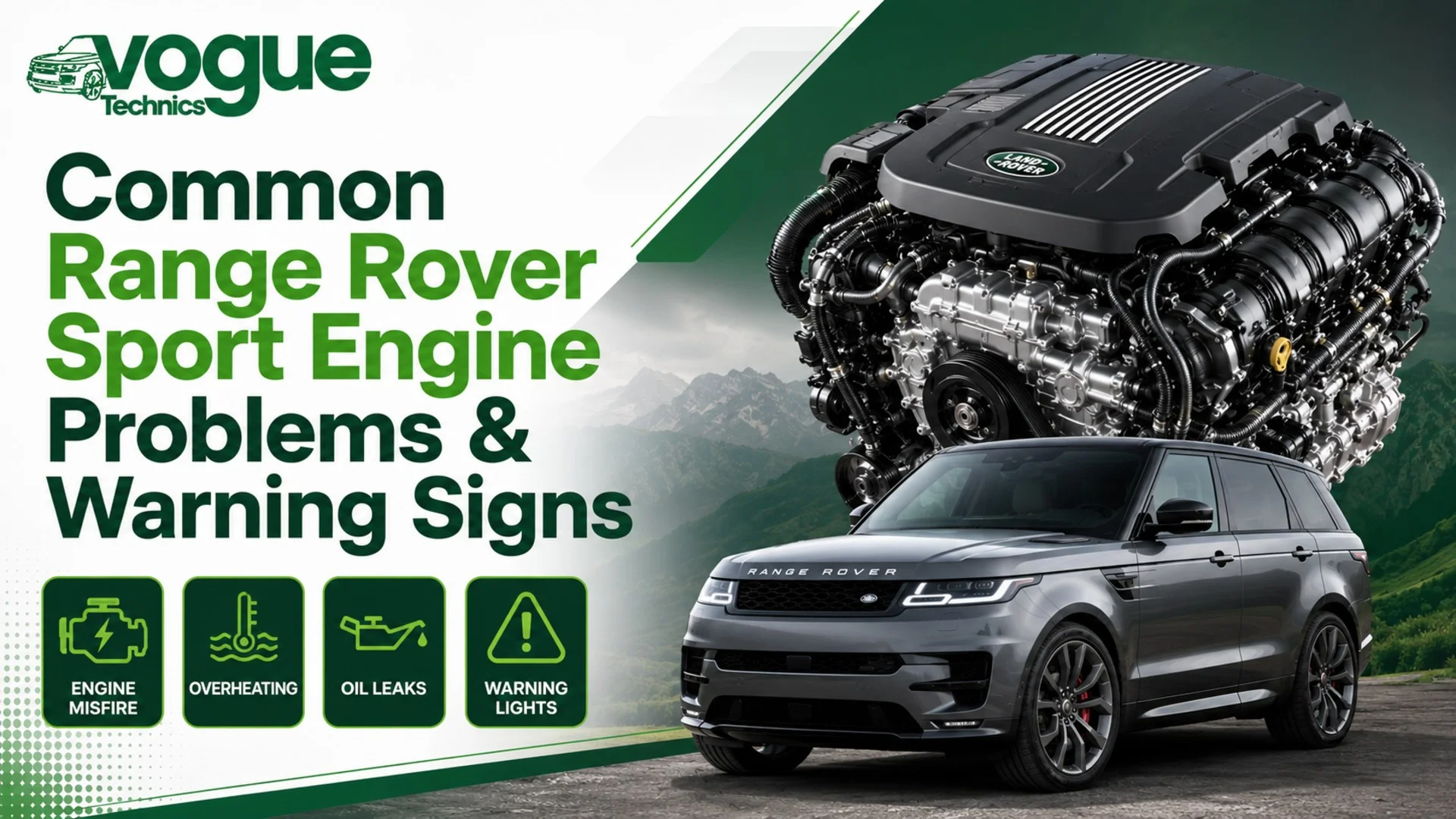
Knowing what tends to go wrong helps you catch problems early or spot them before you buy. These aren't rare, obscure faults; they're the issues that show up again and again across owner forums, independent garages, and dealer service records.
Timing Chain Issues — Symptoms and Long-Term Risk
Timing chain wear is arguably the single most talked-about Range Rover engine problem, across both petrol and diesel variants. A worn chain or failing tensioner typically announces itself with:
- A rattling noise on cold start-up that fades as the engine warms
- A metallic ticking sound at idle
- Engine warning lights related to camshaft timing
- Rough running or misfires in more advanced cases
Left unaddressed, chain failure can lead to catastrophic engine damage, since the chain controls valve timing. If you hear cold-start rattle on a car you're viewing, walk away or budget for a chain replacement before you negotiate price.
Coolant Leaks and Overheating Causes
Coolant leaks are common enough across most Range Rover Sport engines that they deserve their own line item in any pre-purchase check. Common culprits include:
- Degraded water pump seals
- Perished coolant hoses (a known issue on higher-mileage AJ126 units)
- Thermostat housing cracks, particularly on plastic housings that become brittle with age
Overheating is not something to gamble on with an aluminium engine block, even a single serious overheating event can warp a cylinder head. If a used example shows any sign of coolant staining under the bonnet, get it checked before buying.
How Oil Consumption Signals Early Engine Wear
Some oil consumption is normal in any high-performance engine, but consistently needing to top up between services is a warning sign, not a quirk. It often points to worn piston rings, valve seals, or turbocharger seal wear on turbocharged units. Ask any seller directly whether the car has needed oil top-ups between services, a straight answer here tells you a lot.
Carbon Build-Up in Direct Injection Engines
Direct-injection petrol engines, including the AJ133 and Ingenium petrol units, are prone to carbon build-up on intake valves over time. This happens because fuel no longer washes over the valves the way it does in port-injected engines. Symptoms include rough idle and reduced throttle response. Periodic walnut-blasting or intake cleaning as part of preventative maintenance helps keep this in check.
Which Engines Have the Highest Failure Rate?
Based on reported patterns across independent garages and owner communities, early Ingenium diesel units (pre-2018) and higher-mileage TDV6 diesels with poor service history tend to generate the most engine-related repair bills. That doesn't mean every example fails, plenty run fine with a good maintenance record but statistically, these are the units to inspect most carefully before buying.
Range Rover Sport Engine Lifespan, Costs & Ownership
This is the part most guides skip, and it's arguably the most important for anyone actually deciding whether to buy, keep, or replace an engine.
How Many Miles Can a Range Rover Sport Engine Last?
With consistent servicing, most Range Rover Sport engines, petrol or diesel can realistically reach 130,000 to 180,000 miles before needing major work. Some well-maintained examples go well beyond that. The variable isn't really the engine design; it's how consistently oil changes, coolant checks, and timing chain inspections have been carried out.
A rough guide to expected lifespan by engine type:
Engine | Realistic Lifespan (Well-Maintained) | Realistic Lifespan (Poorly Maintained) |
| AJ133 Supercharged V6/V8 | 150,000–200,000 miles | 80,000–100,000 miles |
| AJ126 Supercharged V6 | 130,000–170,000 miles | 70,000–90,000 miles |
| SDV6/TDV6 Diesel | 150,000–200,000+ miles | 90,000–110,000 miles |
| Ingenium (early) | 100,000–140,000 miles | 60,000–80,000 miles |
Range Rover Sport Engine Replacement Cost in the UK
This is where things get expensive fast, and it's worth going in with realistic numbers rather than a rough guess.
A full engine replacement for a Range Rover Sport in the UK typically falls between £5,000 and £12,000, depending on the engine type, whether you use a main dealer or independent specialist, and whether you go for new, reconditioned, or used.
Reconditioned vs Rebuilt vs New Engine — Cost Comparison
Not all replacement options cost the same, and the terminology gets confused a lot, so here's the actual difference:
- New engine: A brand-new unit from the manufacturer. Most expensive option, often £10,000+, and usually only makes financial sense on newer vehicles still under a wider ownership plan.
- Reconditioned engine: A rebuilt unit using new or refurbished components, tested and warrantied. Typically £4,500–£8,500 depending on engine type. This is the middle ground most owners choose, solid reliability at a fraction of new-engine cost.
- Rebuilt engine: Your existing engine, stripped and rebuilt with worn parts replaced. Cost varies depending on the extent of damage, generally £3,000–£7,000.
- Used engine: Sourced from a donor vehicle, unknown history. Cheapest upfront, but the biggest gamble, you're essentially inheriting someone else's mystery mileage.
For most owners weighing cost against peace of mind, a reconditioned engine tends to offer the best balance, new-engine reliability without the new-engine price tag.
Annual Maintenance & Preventative Servicing Costs
Prevention really is cheaper than the alternative here. Typical annual running costs for a well-maintained Range Rover Sport engine include:
- Oil and filter changes: £150–£300 depending on engine size
- Coolant system checks and top-ups: £50–£150
- Timing chain inspection (recommended every 60,000 miles or at first sign of noise): £100–£150 for inspection, £1,000–£2,500 if replacement is needed
- General servicing (annual): £300–£600
Budgeting roughly £600–£1,200 a year for proactive maintenance is realistic, and it's a fraction of what a surprise engine failure will cost you.
Buyer's Inspection Checklist for a Used Engine
Before buying a used Range Rover Sport, run through this checklist, ideally with an independent inspection, not just a test drive:
- Start the engine cold and listen for rattling in the first 10–15 seconds
- Check the oil level and colour (milky oil suggests coolant contamination)
- Look under the bonnet for coolant staining around hoses and the water pump area
- Ask for a full digital or paper service history, not just "it's been serviced"
- Check for engine warning lights, even briefly, on start-up
- Request evidence of timing chain inspection if the car is over 80,000 miles
- Have a specialist run a diagnostic scan for stored fault codes, even if the dashboard is clear
A car that passes all of these checks isn't guaranteed trouble-free, but it dramatically shortens the odds in your favour.
Need a Reliable Engine Replacement? Get a Free Quote Today
If you've read this far, you already know that not every Range Rover Sport engine problem means writing off the car, but it does mean making an informed decision about repair, rebuild, or replacement.
Why Choose Voguetechnics Engine Rebuild for Your Range Rover Sport
At Voguetechnics Engine Rebuild, we work specifically with Land Rover and Range Rover engines, which means we've seen the patterns this guide describes play out first-hand — the timing chain wear, the coolant leaks, the difference a genuine service history makes. We supply reconditioned and rebuilt engines built to last, backed by proper testing and warranty support, not guesswork.
Reconditioned & Rebuilt Engines Supplied Across Grays, Essex & the UK
Based in Grays, Essex, we supply and fit reconditioned Range Rover Sport engines to customers across Essex and throughout the UK. Whether you're dealing with timing chain failure, a coolant-related overheating issue, or simply planning ahead before your engine reaches the end of its realistic lifespan, we can talk you through your options honestly, including when a repair makes more sense than a full replacement.
Get a No-Obligation Engine Quote
Not sure whether your engine needs a rebuild, a reconditioned replacement, or just a proper diagnostic check? Get in touch for a free, no-obligation quote, and we'll give you a straight answer based on your specific engine and mileage, not a sales pitch.
Frequently Asked Questions
What is the most reliable Range Rover Sport engine?
The AJ133 supercharged V6/V8 petrol engine, found in later L494-generation models, generally has the strongest reliability record, particularly when serviced on schedule.
Is the Range Rover Sport diesel reliable?
It can be, especially the SDV6, but reliability depends heavily on service history. Neglected timing chains and DPF-related faults are the main risk points.
How long do Range Rover Sport engines typically last?
With consistent maintenance, most engines last between 130,000 and 180,000 miles, with some petrol and diesel units exceeding 200,000 miles.
What's the average Range Rover Sport engine replacement cost in the UK?
Costs typically range from £5,000 to £12,000, depending on whether you choose new, reconditioned, or rebuilt, and which engine variant is fitted.
Is the Ingenium engine reliable in the Range Rover Sport?
Early Ingenium units (pre-2018) had documented oil dilution and timing chain concerns. Later versions, including the mild-hybrid inline-six, show improved reliability.
Should I buy a reconditioned engine instead of a new one?
For most owners, yes, reconditioned engines offer strong reliability at significantly lower cost than a brand-new unit, provided they come from a reputable supplier with proper testing and warranty.
What are the most common Range Rover Sport engine problems?
Timing chain wear, coolant leaks, water pump failures, and carbon build-up on direct-injection petrol engines are the most frequently reported issues.
Which Range Rover Sport engine should I avoid buying used?
Early Ingenium diesel units with poor or incomplete service history carry the highest risk. High-mileage TDV6 engines without documented timing chain inspection are also worth extra caution.
Does supercharged mean less reliable than turbocharged?
Not inherently. Supercharged AJ126/AJ133 engines have a solid reliability record when maintained properly, the supercharger itself is rarely the failure point; timing chains and cooling systems are the more common culprits.
How do I get a quote for a replacement engine in the UK?
Contact a specialist supplier directly with your vehicle registration and mileage. At Voguetechnics Engine Rebuild, we provide free, no-obligation quotes for reconditioned and rebuilt Range Rover Sport engines.
Final Thoughts
There's no single "best" Range Rover Sport engine that suits every buyer, the right answer depends on your mileage, driving style, and how much risk you're willing to take on with a used purchase. But the pattern is clear: supercharged petrol engines with documented service history consistently outperform neglected diesels, and early Ingenium units deserve extra scrutiny.
The real difference between a reliable Range Rover Sport and a money pit usually isn't the engine badge, it's the maintenance history behind it.
If you're facing an engine problem right now, or just want an honest assessment before it becomes one, get in touch with Voguetechnics Engine Rebuild in Grays, Essex for a free, no-obligation engine quote. We'll tell you what your engine actually needs, not what sells the most parts.