
Most Reliable Range Rover Sport Year: Best Years, Best Engines and What to Check Before You Buy
Two Range Rover Sports roll off the same production line in the same year. One reaches 150,000 miles with nothing worse than routine servicing. The other needs a new engine before its fifth birthday. That gap is why the question "what is the most reliable Range Rover Sport year?" never has a one-line answer.
Two Range Rover Sports roll off the same production line in the same year. One reaches 150,000 miles with nothing worse than routine servicing. The other needs a new engine before its fifth birthday.
That gap is why the question "what is the most reliable Range Rover Sport year?" never has a one-line answer. The registration year matters, but it is only one piece of the puzzle. Engine choice, mileage, service history and previous repairs often decide whether a car becomes a dependable family workhorse or an expensive lesson.
Here is the short version. The later second-generation cars, roughly 2018 to 2022, are the strongest area for most used buyers, and they are the best used Range Rover Sport candidates for long-term ownership. Within that range, the engine and the paperwork matter more than the badge year.
This guide compares survey evidence, UK MOT data, recall information, owner complaints and engine-specific risks. It does not claim proven failure rates, because no public dataset provides them. Any statistic you see quoted online should be checked at its original source before you rely on it, and we encourage you to do exactly that.
What Is the Most Reliable Range Rover Sport Year, and Which Years Should You Avoid?

Range Rover Sport reliability by year follows a pattern. Early cars of each generation tend to carry more teething problems. Later cars, after facelifts and running changes, usually settle down.
Here is how the generations compare at a glance.
Generation | Typical years | Strengths | Main risks | Buying verdict |
| First generation (L320) | 2005 to 2013 | Strong value, simple mechanical layout, wide choice of engines | Age related wear, electrical faults, older diesel and petrol engine concerns | Suits budget buyers who inspect carefully |
| Second generation early (L494) | 2013 to 2017 | Lighter aluminium body, modern engines | Early engine variants with documented concerns, more owner complaints | Buy only with strong history |
| Second generation late (L494) | 2018 to 2022 | Refreshed engines, improved cabin technology, better overall record | Still needs inspection, mileage and servicing matter | Strongest area for most buyers |
| Third generation (L461) | 2022 onwards | Modern engineering, mild hybrid and plug-in hybrid options | Limited long-term evidence | Promising, but too new to call proven |
Treat this table as a guide to where your search should begin. It cannot replace a check of the individual car.
Which Range Rover Sport Years Are Best to Buy Used, and Why?
The 2018 to 2022 range of the second-generation Range Rover Sport (L494) is where most specialists point first. By this stage, Land Rover had updated the engine line-up, refined the cabin and ironed out many early faults.
Several data sources support looking closely at this period. Reliability surveys such as the one run by What Car? have rated the 2013 to 2022 generation well overall. UK MOT based sources such as CarHunch have highlighted 2019 as a strong performer in their own datasets. Other MOT sites show relatively healthy pass rates for 2019 to 2022 cars.
These sources do not measure the same thing, and you should read them with care:
- Reliability surveys capture owner experience, including bodywork, brakes and electrical faults, not only the engine.
- MOT pass rates measure roadworthiness on test day. They say little about internal engine wear, timing chain condition or bearing health.
- Complaint counts depend on how many cars were sold and how often owners report problems, so a high count does not prove a poor year.
- Recall records show manufacturer-acknowledged faults, but they do not cover every issue buyers meet.
A newer registration is not automatically better. A 2021 car with patchy servicing can be a riskier purchase than a 2018 car with a complete specialist history. Experienced technicians see this repeatedly. The documented care a car has received tends to outweigh the year on the logbook.
A real-world scenario. A buyer compares a 2019 diesel with 70,000 miles and a thin service folder against a 2018 diesel with 85,000 miles and invoices for regular oil changes, a cooling system service and a recent diagnostic check. On paper, the 2019 looks like the better choice. In practice, the 2018 is usually the safer bet because the evidence of care is stronger.
Is the 2015, 2016, 2017 or 2020 Range Rover Sport Worth Buying?
Some complaint-based sources flag 2015, 2016, 2017 and 2020 as years to approach with caution. That does not make them write-offs. It means these years deserve a tougher inspection and a stricter look at history.
Early L494 cars were among the first to use newer engine variants, and some carried faults that Land Rover later addressed. Buyers considering a 2014 to 2017 car should check the engine code carefully, confirm what work has been done and walk away from any vehicle with unexplained repairs.
The 2020 model year raises a different question. Complaint data for a single year can reflect a model update, a higher number of reports or a few high-profile issues. It rarely tells the whole story. Look at the engine, the mileage and the evidence of servicing before you judge the year.
What about the first generation? The L320 Range Rover Sport, built from 2005 to 2013, offers genuine value for budget buyers. Age is the main concern. Engines, electrical systems and suspension components have all had years to wear, so a full inspection and a clear repair history matter even more.
A quick guide to year bands:
- 2005 to 2009: Older design, cheaper to buy, higher risk from age and previous repairs.
- 2010 to 2013: Later first generation cars, with improved engines and refinements.
- 2014 to 2016: Early second generation, strong cars when well documented, but check engine variants closely.
- 2017 to 2019: Transition period with improving reliability and a wide choice.
- 2020 to 2022: Late second generation cars, generally well regarded, though mileage and history still decide the outcome.
- 2023 onwards: Third generation (L461), which is promising but lacks long-term evidence.
Which Range Rover Sport Engine Is the Most Reliable? TDV6, SDV6, SDV8, V8 Petrol and Ingenium Compared
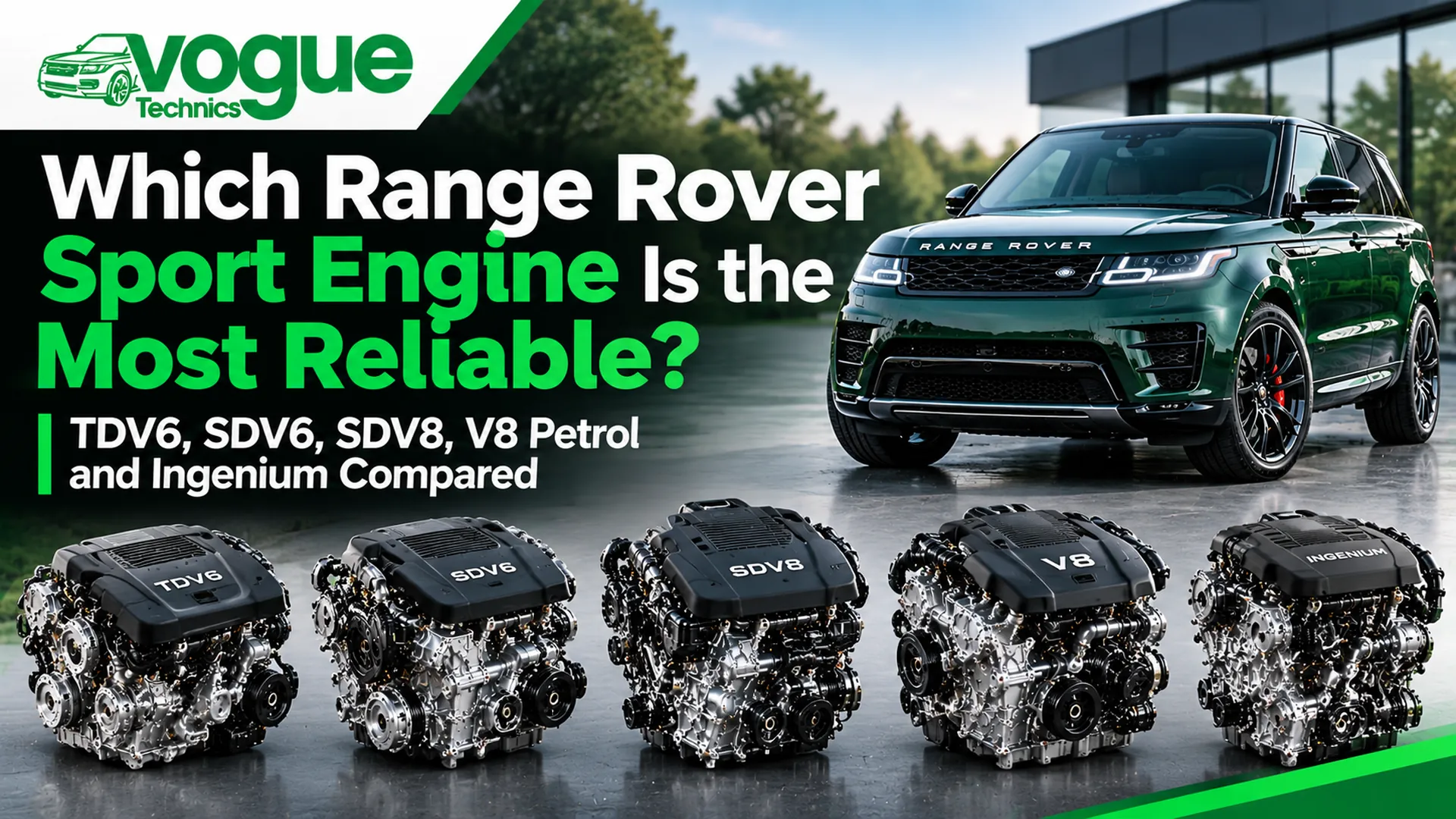
Many buyers focus on the year and overlook the engine. That is a mistake. Engine reliability varies more between variants than between model years, and it often drives the largest repair bills.
This table compares the main engines found in the Range Rover Sport.
Engine | Code or family | Fuel | Typical years | Main strengths | Key risk to check |
| 2.7 TDV6 | 276DT | Diesel | Early L320 | Economical, widely available | Age related wear, turbocharger and injector condition |
| 3.6 TDV8 | 368DT | Diesel | L320 | Smooth and torquey | Timing chain and tensioner history |
| 3.0 TDV6 and SDV6 | 306DT | Diesel | L320 later, L494 | Efficient, strong performance | Crankshaft and bearing wear, oil pressure |
| 4.4 SDV8 | 448DT | Diesel | L320 later, L494 | Strong torque, good specialist reputation | Oil cooler, servicing, overall condition |
| 4.2 supercharged V8 | AJ V8 | Petrol | Early L320 | Performance, character | Age, cooling and supercharger condition |
| 5.0 supercharged V8 | AJ133 | Petrol | L320 later, L494 | Strong performance, generally sound | Timing chain components, cooling system, supercharger |
| 3.0 supercharged V6 | AJ126 | Petrol | L494 | Efficient, good power | Cooling and general condition |
| 3.0 Ingenium diesel | Ingenium | Diesel | Late L494, L461 | Modern, efficient | Limited long-term evidence |
| 2.0 Ingenium diesel | Ingenium | Diesel | Smaller Land Rover models | Efficient | Early timing chain concerns |
Plug-in hybrid and mild hybrid powertrains also appear on later models. These add electrical and battery complexity, so confirm service records for both the combustion engine and the hybrid system.
Is the 3.0 SDV6 More Reliable Than the 3.0 TDV6, and What About the 4.4 SDV8?
The TDV6 and SDV6 share the same 306DT engine family. The difference lies mainly in output and tuning, so their risks overlap. Neither is automatically better. What matters is the condition of the individual engine.
The 306DT has been associated with crankshaft and bearing wear. When wear develops, oil pressure can drop and damage can spread quickly. Many examples run for years without trouble, and many specialists consider the engine a good choice when properly maintained. But it deserves a careful pre-purchase inspection, including oil pressure behaviour, service intervals and any record of previous bearing work.
The 4.4 SDV8 (448DT) generally enjoys the stronger reputation for long-term oil changes ependability. It is often recommended in specialist buying guides, particularly for drivers who tow or cover long distances. It still needs a proper inspection, with attention on the oil cooler, coolant condition and servicing record.
How do you choose between them?
- Choose the 3.0 SDV6 or TDV6 if fuel economy matters, and you are willing to inspect the car and its history thoroughly.
- Choose the 4.4 SDV8 if you want stronger low-speed pulling power and a better specialist reputation for lasting durability.
- Choose a petrol V8 if you cover lower mileage, value refinement and accept higher fuel use. Check the cooling system and timing chain components.
- Avoid any engine with missing service history, irregular oil changes or unexplained repairs.
Diesel versus petrol. Diesel engines suit long distance driving and towing, but they carry emissions hardware such as the diesel particulate filter, exhaust gas recirculation valve and AdBlue system. Short trips can clog these components. Petrol engines avoid most of that complexity, but they use more fuel and rely on healthy cooling systems. Across the engine range, preventative maintenance and a documented history count for more than fuel type alone.
What about the Ingenium engines? The newer 3.0 Ingenium units look promising, and early ownership reports are encouraging. Long-term, high-mileage evidence is still limited, so treat them as promising rather than proven. The 2.0 Ingenium diesel appears mainly in smaller Land Rover models and some early units drew timing chain concerns, so keep that distinction in mind when you read online comparisons.
What Are the Warning Signs of Timing Chain, Crankshaft or Turbo Failure on a Range Rover Sport?
Engines rarely fail without warning. Most failures grow from a small neglected issue, so learning the signs gives you a real advantage.
Crankshaft and bearing trouble:
- A deep knocking sound from the lower engine, often louder under load
- Low oil pressure warnings, even brief ones
- Metal debris in the oil at a service
- A sudden change in engine sound after a long drive
Timing chain and tensioner trouble:
- A rattle or chatter for a few seconds after a cold start
- Rough running or loss of power
- Fault codes linked to camshaft and crankshaft correlation
- Noise that changes with engine speed
Turbocharger trouble:
- Loss of power or sluggish acceleration
- Whistling or siren-like noises
- Blue or grey smoke from the exhaust
- Boost pressure fault codes
Other common problems on diesels include fuel injector faults, excessive oil consumption, coolant loss, engine overheating, DPF blockage and EGR valve or cooler failure. Short journeys make DPF and EGR problems more likely. Symptoms include warning lights, reduced power and poor fuel economy.
Never ignore these signs. Driving on a knocking engine often turns a repair into a complete rebuild. A professional diagnostic check can read fault codes, assess oil pressure and judge whether the problem is minor or serious.
Noticing any of these symptoms now? Book an engine inspection with Vogue Technics Engine Rebuild before the damage spreads. You can also read our guide to common Range Rover Sport engine problems for a deeper look at each fault.
How Reliable Is a High-Mileage Range Rover Sport, and What Should You Check Before Buying?
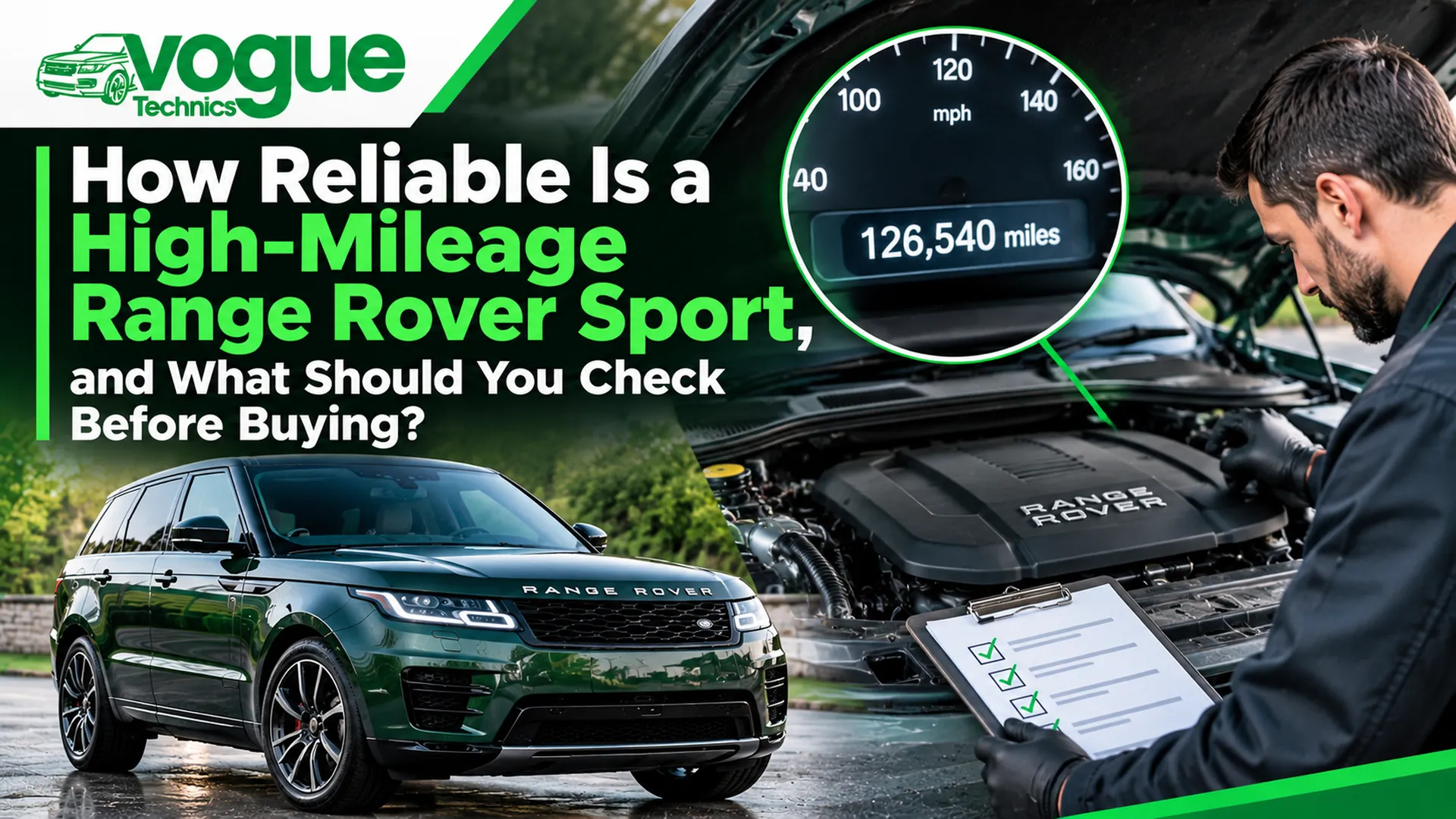
A high mileage Range Rover Sport is not automatically a bad purchase. A car with 120,000 miles and a spotless service record can be a better buy than a 60,000-mile car that sat unused for years and missed its oil changes.
Mileage still changes what you should inspect. Here is a practical guide to what typically deserves attention as the miles build up.
- Around 60,000 miles: Check that oil changes and cooling system servicing are up to date. Confirm gearbox fluid has been addressed. Look at any early oil leaks.
- Around 80,000 miles: Inspect timing chain and tensioner condition, review turbocharger performance and check air suspension operation.
- Around 100,000 miles: Pay close attention to engine oil pressure, bearing health on diesels, cooling system components and DPF and EGR condition.
- Beyond 120,000 miles: Expect more wear across suspension, gearbox and engine seals. Demand a thorough inspection and stronger evidence of past maintenance.
What Should You Check Before Buying a Used Range Rover Sport?
A methodical inspection protects you from expensive surprises. Work through this checklist, and do not skip steps because the car looks clean.
Before you view the vehicle:
- Confirm the engine code and registration year. Make sure they match the paperwork and the advertised specification.
- Review the complete service history. Look for regular oil changes and invoices from reputable specialists.
- Check MOT history and recalls. Confirm that open recalls have been completed. Repeated advisories can point to developing problems.
- Ask about previous engine work. A documented rebuild with paperwork is a positive. Vague stories of past repairs are a warning.
When you inspect the car:
- Insist on a cold start. A warm engine can hide rattles, smoke and hard starting.
- Listen for unusual noises. Knocking, ticking and chain rattle all need a closer look.
- Check for oil and coolant leaks. Look under the car and around the engine bay, and check coolant colour and level.
- Watch the exhaust. Blue smoke suggests burning oil, black smoke points to fuel or air issues and white smoke may suggest coolant.
- Scan for diagnostic trouble codes. Stored faults can reveal problems that a short drive hides.
- Test the gearbox. The ZF automatic transmission should shift smoothly with no hesitation or harsh changes.
- Test the air suspension. Check that the vehicle raises and lowers without warnings and that it holds its height overnight.
- Check electrical systems. Look for battery drain symptoms, infotainment faults and warning lights.
Arrange a professional pre-purchase inspection. A specialist can check oil pressure behaviour, read fault codes in detail and judge engine condition far better than a general viewing. For a car of this value and complexity, the cost of an inspection is small compared with the cost of a hidden fault.
Why service history matters so much. A complete record shows how the previous owners treated the car. Land Rover engines run tight tolerances and rely on clean oil. Extended oil change intervals can allow wear to build up silently, and many specialists recommend shorter intervals than the manufacturer schedule, especially on higher mileage engines. Always use the correct approved oil specification.
How to improve Range Rover Sport engine reliability after you buy:
- Service the car on time with approved parts and oil
- Check coolant level and condition regularly
- Let the engine warm up before demanding full power
- Act on warning lights promptly
- Take longer runs periodically if your diesel mainly does short trips
- Keep every invoice, because it protects both the engine and the resale value
Our guide to buying a high-mileage Range Rover Sport covers this in more detail, and our pre-purchase inspection page explains what a professional check includes.
Should You Rebuild, Replace or Recondition a Range Rover Sport Engine, and What Does It Cost in the UK?
Sooner or later, some owners face the question nobody wants. The engine has failed or is failing. What now?
You have three main routes, and each suits different circumstances.
Engine rebuild. A technician strips your original engine, inspects every component, machines surfaces where needed and replaces worn parts. This suits situations where the block and major components are repairable.
Replacement engine. A used or low-mileage unit can be quicker to source, but its history is only as good as the evidence supplied with it. It can carry the same hidden wear as the engine it replaces.
Reconditioned engine. A reconditioned engine has been professionally rebuilt, tested and restored to a high standard. It usually offers stronger confidence than an unknown used unit, especially with a written warranty.
When Does an Engine Rebuild Make More Sense Than Replacement?
Use these questions to guide the decision:
- How badly is the original engine damaged, and is the block repairable?
- What is the overall condition and market value of the vehicle?
- How long do you plan to keep the car?
- Does the supplier provide testing records and a written warranty?
- Is a suitable replacement engine available, and what is its verified history?
A common scenario. An owner of a well kept 2019 diesel notices a knock and a low oil pressure warning. The bodywork, interior and suspension are excellent. Rebuilding or reconditioning the engine usually makes far more sense than scrapping a car that is otherwise sound. By contrast, a high-mileage car with corrosion and multiple other faults may not justify major engine work.
What a professional rebuild should include. Ask your supplier to explain exactly what has been done. A proper process includes a full strip down and inspection, machining of critical surfaces, replacement of worn components with quality parts, careful reassembly and testing before the engine leaves the workshop. Ask for warranty terms in writing and read what is covered and for how long.
What affects UK engine repair costs? Any honest answer starts with the factors rather than a headline figure:
- Engine type. A V8 diesel, a V6 diesel and a supercharged petrol V8 involve different parts and labour.
- Extent of damage. Replacing bearings differs greatly from repairing a damaged crankshaft, block or cylinder head.
- Parts quality. Genuine and OEM components cost differently from lower-grade alternatives, and quality matters on an engine this complex.
- Labour and fitting time. Removing and refitting an engine in a Range Rover Sport is skilled, time-consuming work.
- Testing and warranty. Proper testing and written cover protect you if something goes wrong.
Always request an itemised written quote that lists parts, machining, labour and warranty terms. Be wary of any quote given without discussing symptoms or inspecting the engine. The same advice applies to related jobs such as timing chain replacement, turbocharger replacement, injector work and DPF repairs.
Ready to explore your options? Request a free Range Rover Sport engine inspection or rebuild quote from Vogue Technics Engine Rebuild. Our team can assess the fault, explain whether to rebuild, replace or recondition, and talk you through the process. You can also explore our Range Rover Sport engine rebuilding services, reconditioned engines and engine replacement options.
Frequently Asked Questions About Range Rover Sport Reliability
What is the most reliable Range Rover Sport year?
There is no single winner. The later second-generation cars, roughly 2018 to 2022, are the strongest area for most used buyers, but engine choice, mileage and service history matter as much as the registration year.
Which Range Rover Sport years should you avoid?
Some complaint-based sources flag 2015, 2016, 2017 and 2020 for closer scrutiny. None is automatically a bad buy, but each deserves a thorough inspection and proof of servicing.
Which Range Rover Sport engine is the most reliable?
The 4.4 SDV8 (448DT) has a strong specialist reputation among diesels, and the 5.0 supercharged V8 is the main petrol choice. Both still need inspection. The 306DT diesel needs particular checks for crankshaft and bearing wear.
Is the Range Rover Sport TDV6 engine reliable?
Many run for years without trouble when properly maintained. Check service history, oil pressure behaviour and any record of bearing work before buying.
Is the Range Rover Sport SDV6 better than the TDV6?
They share the same engine family, so their risks overlap. The SDV6 simply offers more power. Condition and history matter more than the badge.
Are newer Range Rover Sport models more reliable?
Not automatically. Later second-generation cars generally have a better record than early ones. Third-generation models look promising but lack long-term evidence.
How many miles can a Range Rover Sport engine last?
Well maintained engines often pass six figures, and some go much further. Servicing, driving habits and how quickly faults are addressed decide the outcome.
What are the most common Range Rover Sport engine problems?
Common issues include crankshaft and bearing wear, timing chain stretch, turbocharger failure, oil leaks, overheating, and DPF and EGR faults on diesels.
Is a used Range Rover Sport worth buying?
Yes, if you choose carefully. Focus on a well documented car with the right engine, inspect it thoroughly and consider a professional pre-purchase check.
What should you check before buying a used Range Rover Sport?
Confirm the engine code, review the full service history, insist on a cold start, check for leaks and smoke, scan for fault codes, test the gearbox and air suspension, and verify recalls and previous repairs.
The Bottom Line
The most reliable Range Rover Sport year is rarely just a year. It is the right generation, the right engine, a documented service history and a clean inspection result. Start your search with the later second-generation cars from 2018 to 2022, compare the engines carefully and treat every statistic as one clue, not a verdict.
Buy the history as much as the car. Inspect before you commit, act on warning signs early and keep every invoice.
If your engine is already showing trouble, or you want an expert opinion before you buy, Vogue Technics Engine Rebuild is ready to help. Get in touch for a free engine inspection or a quote on Range Rover Sport engine rebuilding, reconditioned engines or full engine replacement at voguetechnicsenginerebuild.co.uk.