

Range Rover Sport 3.0 TDV6 Engine Problems: A Specialist's Honest Guide
The Range Rover Sport 3.0 TDV6 is a powerful but maintenance-sensitive diesel engine, prone to issues like crankshaft failure, oil pump faults, turbo wear, and EGR/DPF problems. Most of these failures trace back to lost oil pressure and can largely be prevented with regular oil changes and prompt attention to warning lights. This specialist guide from Vogue Technics Engine Rebuild breaks down the real causes, early symptoms, and realistic repair costs, helping owners and buyers make informed decisions before a small fault turns into a full engine rebuild.
That noise you've started hearing on cold mornings. The oil light that flickers at idle and then pretends nothing happened. Or maybe you're about to spend serious money on a used one, and three different forum threads have already used the word "crankshaft" like a swear word. Whatever brought you here, you want a straight answer, not scare stories.
We rebuild these engines for a living, so let's give you one.
At Vogue Technics Engine Rebuild in Grays, Essex, the 3.0 TDV6 is one of the most frequent visitors to our workshop. So what follows isn't recycled forum chatter, it's what actually lands on our bench, why it fails, and what you can do about it. The Range Rover Sport 3.0 TDV6 engine problems people worry about are real. They're also widely misunderstood, and most of them give you plenty of warning before they cost you a fortune. Let's walk through it properly.
What Is the Range Rover Sport 3.0 TDV6 Engine?
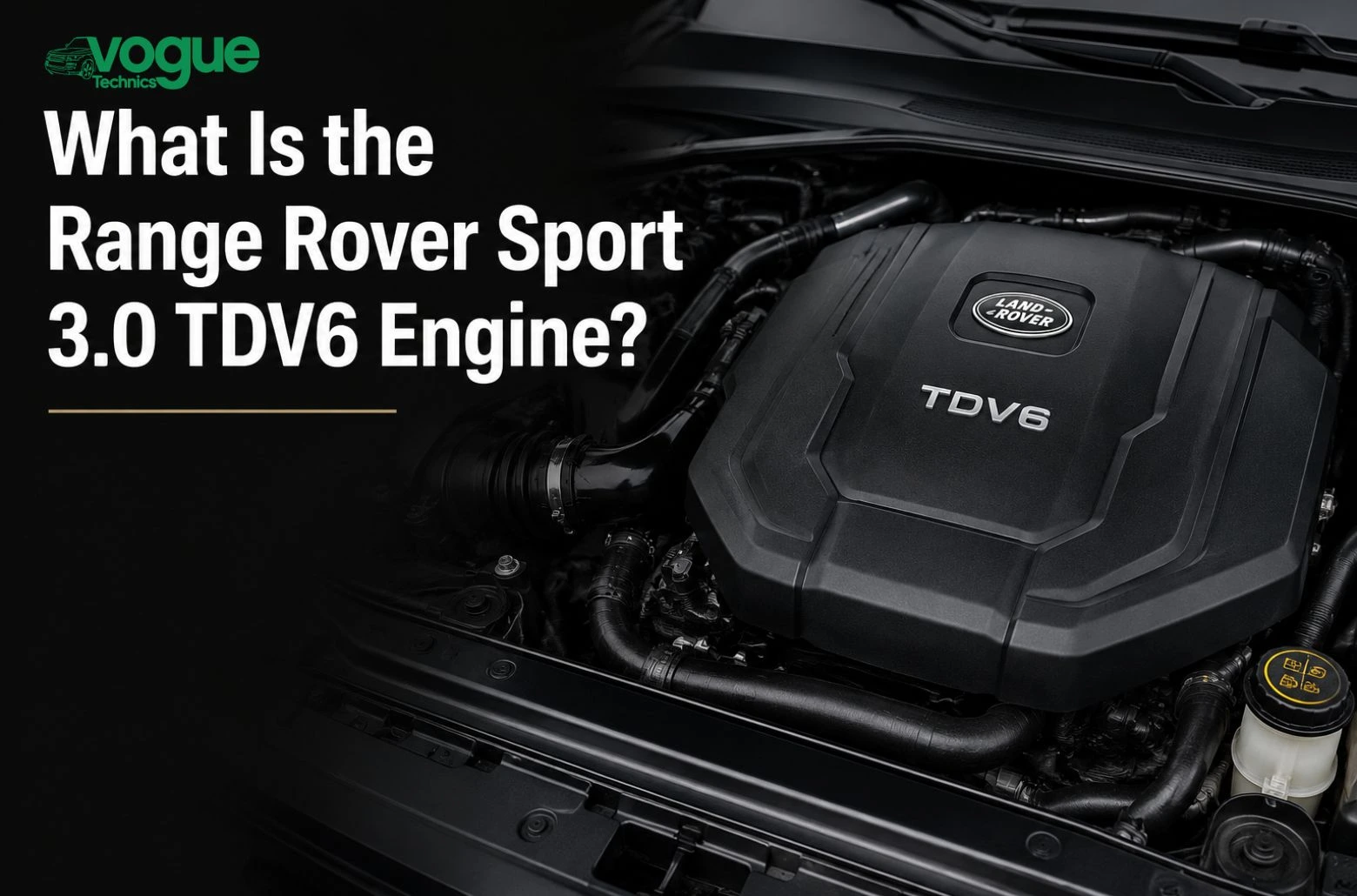
The 3.0 TDV6 is a twin-turbo V6 diesel built under engine code 306DT, part of the AJD-V6 family that earned the "Lion" nickname. It was developed jointly by Ford and PSA (Peugeot-Citroën) before Jaguar Land Rover took the design forward. It replaced the earlier 2.7-litre TDV6 (code 276DT), adding capacity, torque, and a sequential turbo setup.
You'll find this engine, or close relatives of it, in a lot of vehicles, which matters when you're hunting for parts or a replacement unit:
- Range Rover Sport (L320 — the 3.0 TDV6 arrived with the 2009/2010 facelift; the 2.7 came before)
- Land Rover Discovery 4 (both the 3.0 TDV6 and the SDV6)
- Range Rover (L322 and the later L405)
- Jaguar XF and XJ in similar diesel form
The higher-output sibling is the SDV6, same fundamental architecture, tuned harder for roughly 288–292 bhp versus about 245 bhp for the standard TDV6. That extra muscle isn't free, and it's a thread that runs through this whole guide.
In one line: the 3.0 TDV6 is a refined, genuinely capable diesel that hauls a two-tonne SUV without fuss. But it is not a fit-and-forget engine. Maintained well, it's good for big miles. Neglected, it bites and the bite is expensive.
Are 3.0 TDV6 Engines Reliable? An Honest Answer
Here's the answer most pages tiptoe around: the 3.0 TDV6 is reliable enough to clear 150,000 miles, and fragile enough to fail at 90,000 if it's been mistreated. Both are true at once, and that contradiction is basically the entire reliability story.
What separates the survivors from the casualties isn't luck. It comes down to three things, oil discipline, how the car is driven, and whether it was genuinely serviced or just had a book stamped. We regularly see tidy, well-kept examples sail past 160k without drama. We also see low-mileage cars that lived on short town trips, never properly warmed through, and slowly choked themselves on soot and sludge.
So when someone asks about Land Rover 3.0 TDV6 reliability, the useful answer is this: it's a maintenance-sensitive engine. Your experience depends far more on how the car was looked after than on the year on the V5 or the badge on the boot.
The Most Common Range Rover Sport 3.0 TDV6 Engine Problems
Before we go deep, here's the overview. These are the faults we see most, roughly ordered by how much they'll hurt your wallet:
Problem | How serious | Usual trigger |
| Crankshaft failure | Catastrophic — rebuild or replacement | Oil starvation, bearing wear, high stress |
| Oil pump / oil-pressure loss | Catastrophic if ignored | Worn pump, blocked pickup, wrong or old oil |
| Turbocharger failure | Major | Oil-supply issues, worn actuator, high miles |
| EGR valve & cooler faults | Moderate | Carbon buildup, coolant leaks |
| DPF blockage | Moderate | Short journeys, failed regenerations |
| Injector faults | Moderate | Wear, injectors seized in the head |
| Cooling / oil-cooler leaks | Moderate | Age, perished seals |
| Timing belt (rear-mounted) | Catastrophic if it snaps | Skipped service interval |
Notice a pattern in that "trigger" column, oil and heat keep showing up. Hold that thought, because it's the key to the whole engine. Now let's take each one in turn, starting with the fault everyone's heard about.
Crankshaft Failure: The Defining TDV6 Problem
If the 3.0 TDV6 has a reputation, crankshaft failure is why. A crank that snaps clean in two is the headline fault, and it's the reason these cars sometimes appear cheap with "spares or repair" in the listing.
When it goes, it goes hard. Owners describe a sudden bang or a heavy knock, instant power loss, and an engine that either won't turn or runs horribly rough. The crank usually fractures toward the rear of the engine, near the flywheel end. There's no roadside fix and no bodge — it's a full rebuild or a replacement engine.
Why Do TDV6 Crankshafts Fail?
Most articles stop at "they just do." They don't just do. Here's what's actually happening:
- Oil starvation is the real villain. The crankshaft rides on bearings fed by a constant film of pressurised oil. Lose that pressure even for moments and metal kisses metal. Bearings wear, clearances open up, and the crank starts flexing under load instead of being firmly supported. That repeated flex fatigues the metal until it cracks.
- The oil pump is often the real trigger. On these engines the TDV6 oil pump and its drive is a known weak point. If the pump loses drive or the pickup clogs, oil pressure falls and the chain reaction above begins. A lot of "crankshaft failures" are really oil-supply failures that simply ended at the crank.
- Bearing wear is the warning nobody hears. Cranks rarely snap from full health. They snap after the bearings have been quietly wearing for thousands of miles, usually flagged by a faint cold-start knock or an oil-pressure light that flickers and gets ignored.
- The SDV6 asks more of the same crank. The hotter SDV6 makes more torque from broadly the same bottom end. More torque means more stress through the crank journals, which is why the SDV6's crank reputation is at least as bad as, arguably worse than, the standard TDV6's.
So no, it isn't random or cursed. Crankshaft failure is the final act of a lubrication problem that almost always started long before the bang.
Symptoms of Crankshaft and Bearing Failure
Catch these early and you can often save the engine. Ignore them and you'll meet us under far less pleasant circumstances:
- A knocking or rumbling deep in the engine, worst on cold start or under load
- The oil-pressure warning light flickering, especially at warm idle
- Metallic flakes or a glitter-like sheen in the oil at service time
- A drop in performance, rough running, or unexplained vibration
- A low oil-pressure reading on a diagnostic scan
If any of these are present, stop driving and get it checked. Running a TDV6 with low oil pressure is the fastest known way to turn a £600 repair into a £5,000 one.
Can TDV6 Crankshaft Failure Be Prevented?
To a large extent, yes. This is the bit the doom-merchants leave out. The cars that survive share three habits:
- Frequent oil changes with the correct-spec oil. We'd argue for shorter intervals than the manufacturer's "long life" schedule, especially on short-journey cars.
- Treating any oil-pressure warning as an emergency, not an inconvenience.
- Proper warm-up and cool-down, rather than thrashing a cold engine or shutting a hot turbo down the instant you park.
Prevention isn't glamorous, but it's the entire difference between 160,000 happy miles and a flatbed.
Real-world example: A customer brought us a Discovery 4 3.0 TDV6 with an intermittent oil light he'd been "watching" for a few weeks. The bearings were already worn but the crank was intact. Because he stopped driving it when the knock appeared, we caught it as an oil-pump-and-bearings job rather than a snapped crank. The owner of an otherwise identical car who'd kept driving "because it still pulled fine" wasn't so lucky — that one needed a full rebuild. Same fault, same engine, wildly different bill. The only variable was how soon they stopped.
Oil Pump and Lubrication Problems
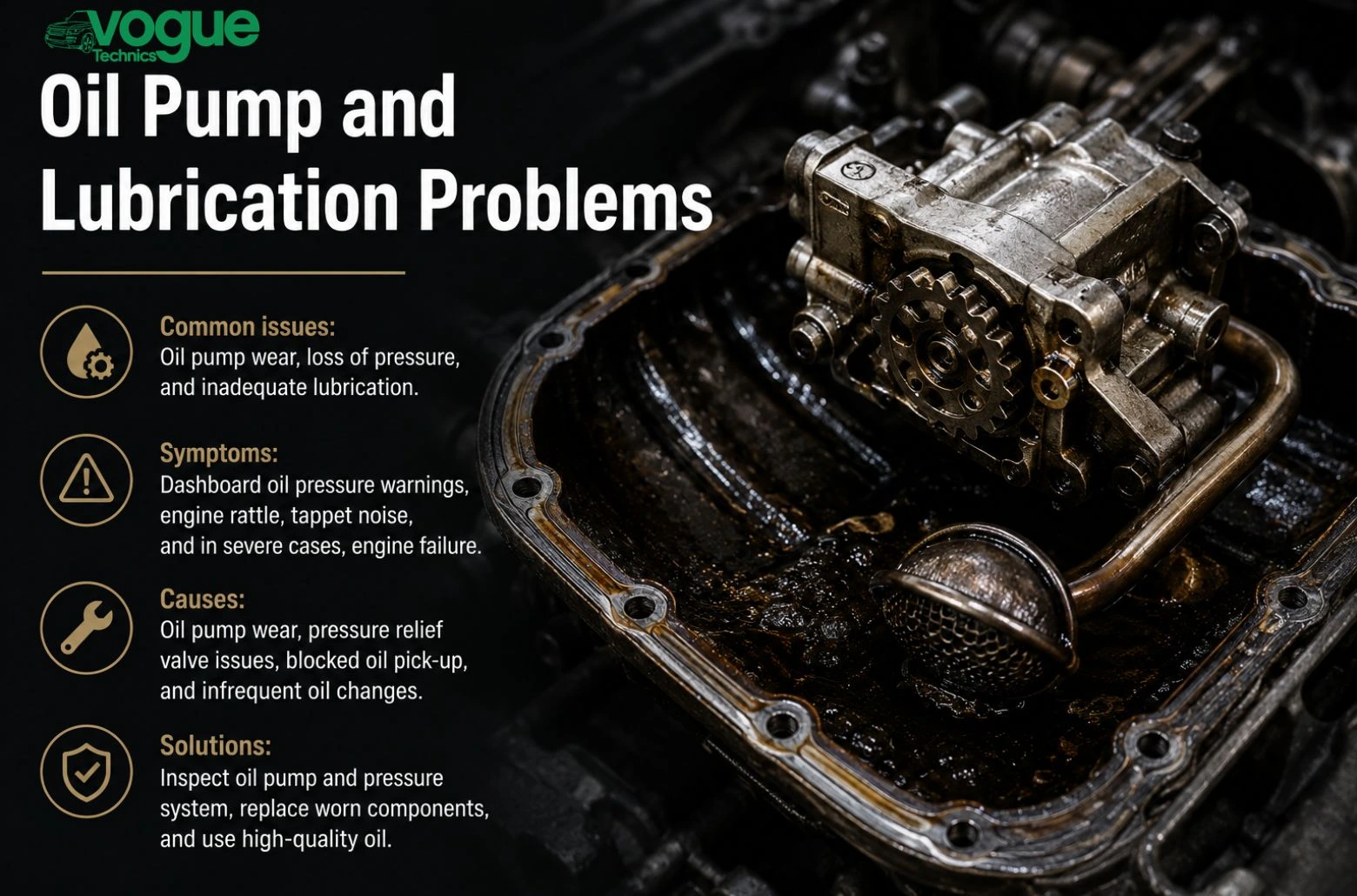
We've touched on this, but it earns its own heading because it's the root of so many bigger failures. The oil pump and its drive can wear or fail, and the oil pickup can clog with sludge, particularly on engines fed cheap oil or run on stretched intervals.
The outcome is always the same: falling oil pressure. And on this engine, oil pressure is everything. The bearings, the crankshaft, the turbos and the timing components all depend on it. A TDV6 oil pump replacement done in time is a sensible, contained repair. The same job done after the crank has let go is just one line on a far bigger invoice. If your oil light comes on, treat the car as undriveable until it's diagnosed.
Turbocharger Problems
The 3.0 TDV6 runs a twin-turbo arrangement, and turbos are a wear item on any hard-working diesel. Signs of turbocharger failure include:
- A whistle or whine that rises with the revs
- Blue or grey exhaust smoke (oil slipping past the seals)
- Noticeable lag or a flat spot, often with a boost-related fault code
- Limp mode, where the car cuts power to protect itself
Turbo failures here often trace back to, you guessed it oil supply, or to a worn actuator that can no longer control boost accurately. Catch a tired turbo before it lets go and you avoid debris being thrown downstream into the engine, which is how a £1,500 turbo job becomes an engine job.
EGR and DPF Issues
These are the everyday, urban-driving faults rather than the catastrophic ones but they cause a lot of limp-mode panics.
EGR (Exhaust Gas Recirculation): the valve clogs with carbon and sticks, and the EGR cooler can develop coolant leaks. Expect rough idle, reduced power, and coolant that disappears without an obvious puddle.
DPF (Diesel Particulate Filter): the filter traps soot and periodically burns it off in a regeneration that needs a good run at temperature to complete. Short, stop-start town driving is the enemy of any DPF, this one included. The filter blocks, regens fail, and the car drops into limp mode with a warning light glaring at you.
The fix for both is usually cleaning or replacement but the better long-term fix is driving the car the way a diesel wants to be driven. A proper motorway run now and then does more good than most owners realise.
Injector and Fuel System Faults
The common-rail injectors on the 3.0 TDV6 can wear, leak internally, or frustratingly seize into the cylinder head, which turns a simple swap into a proper job. Watch for rough running, a diesel "knock," black smoke, poor economy and hard starting. Fuel faults rarely destroy an engine alone, but a misbehaving injector can wash down a cylinder bore and speed up wear, so they're not worth shrugging off.
Cooling System and Oil-Cooler Leaks
Age catches up with seals and hoses, and on a 10–15-year-old Range Rover Sport you should expect to tackle the cooling system at some point. Watch for leaks around the oil cooler, the EGR cooler, and the plastic housings. Overheating a diesel is a quick route to head-gasket and cylinder-head trouble, so chase a coolant leak down early rather than topping up and hoping it sorts itself out.
The Timing Belt: The Big-Ticket Service Nobody Mentions
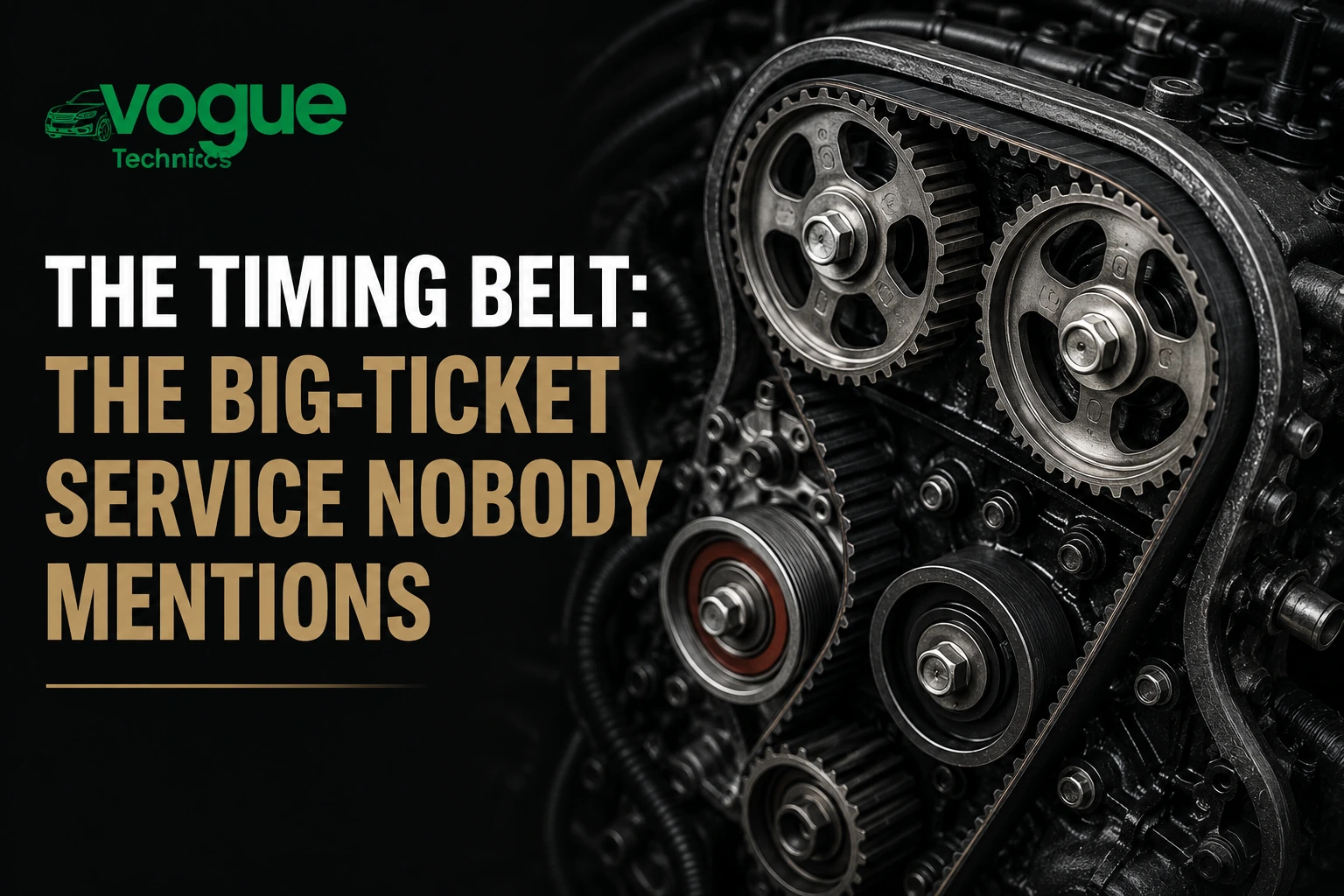
Quick clarification, because the search terms get this wrong: people constantly look up "TDV6 timing chain," but the 3.0 TDV6 actually uses a timing belt and it lives at the rear of the engine, against the gearbox.
That location is the whole problem. Changing it is labour-intensive, because the engine and gearbox effectively have to be separated to reach it. That's why it's an expensive job many owners never budget for and a job you absolutely cannot skip. If that belt fails, valves meet pistons and the engine is wrecked.
Land Rover's original intervals were optimistic. As specialists, we'd far rather see the belt changed on a sensible time-and-mileage basis than left to fate. If you're buying a TDV6 and there's no record of the belt, assume it's due and price it into the deal.
Warning Signs Before Engine Failure (Save This Checklist)
If your 3.0 TDV6 is doing any of the following, book it in before it books itself in:
- Oil-pressure warning light even a brief flicker
- Knocking, rumbling or tapping low in the engine
- Blue/grey exhaust smoke or a turbo whistle
- Persistent limp mode or a glowing engine warning light
- Metallic particles, or a milky/contaminated look to the oil
- Unexplained coolant loss
- New vibration, power loss, or harder-than-usual starting
None of these are "keep an eye on it" symptoms. On this engine, they're the opening chapters of a story that ends at the crankshaft. Acting on the early signs is exactly how owners avoid the big bills.
TDV6 vs SDV6: Is One More Reliable?
A fair question, given how much the two share. In plain terms:
3.0 TDV6 | 3.0 SDV6 | |
| Output | ~245 bhp | ~288–292 bhp |
| Turbo setup | Twin sequential | Twin turbo |
| Stress on crankshaft | Lower | Higher (more torque, similar bottom end) |
| Performance feel | Strong, relaxed | Notably quicker |
| Our take on longevity | The safer long-term bet | Lovely to drive, but works the crank harder |
Neither is a bad engine. But if your priority is durability over outright shove, the standard TDV6 lives the easier life and tends to reward you for it. If you want the performance, the SDV6 is brilliant; just be even more religious about the maintenance below.
How to Extend Your TDV6 Engine Life: Preventative Maintenance
This is the section that actually saves you money, so don't skim it. After years of rebuilding these engines, here's the maintenance that genuinely moves the needle:
- Change the oil more often than the book says. The factory "long life" interval suits a motorway-heavy life and risks a town-bound one. Use correct, full-spec oil every time, this engine is unforgiving about lubrication.
- Treat oil-pressure warnings as a stop-the-car emergency. We can't say this enough.
- Drive it like a diesel occasionally. A regular run at motorway temperature keeps the DPF, EGR and oil all happy.
- Service the cooling system proactively on older cars, rather than waiting for a leak to find you.
- Budget for the rear timing belt and get it done on schedule.
- Keep records. Not just for resale, a documented history is how you (and we) spot a developing problem before it becomes a failure.
The key insight: maintenance intervals should flex with how you drive. A car covering 20,000 motorway miles a year and one doing 4,000 short town miles a year are completely different maintenance cases, even though the dashboard treats them identically.
Engine Rebuild vs Replacement: Which Is Right for You?
When a 3.0 TDV6 lets go, you've essentially got three roads: repair the specific fault, rebuild the engine, or fit a replacement. The right call depends on what's failed and the condition of the rest of the car.
A simple way to think it through:
- Repair suits an isolated failure on a healthy bottom end, a single injector, a turbo caught early, an oil pump replaced before damage spread.
- A full rebuild suits internal damage (crankshaft, bearings, bores) on a car worth saving, where you want known, freshly machined internals and a warranty rather than an unknown used unit.
- A replacement engine (reconditioned or remanufactured) suits a block that's beyond economic saving, or when you want the quickest route back on the road.
It usually comes down to the value of the car against the cost of the work, and whether you're keeping it for years or moving it on. We'll give you a straight answer either way — including the times when the honest advice is that the car isn't worth it. (If you're weighing this up, our pages on engine rebuilds and reconditioned replacement engines break the options down further.)
3.0 TDV6 Repair and Rebuild Costs Explained
Everyone wants a number, so here are honest, indicative UK guide ranges, with the genuine caveat that the real figure depends on exactly what's failed, the spec, and the car's condition. These are ballpark, not quotes:
Job | Indicative UK guide price |
| Reconditioned/rebuilt engine, supplied & fitted | Several thousand often £4,000–£7,000+ |
| Rear timing belt service | Higher than a "belt" sounds, due to access labour |
| Turbocharger replacement | Commonly £1,000–£2,500 depending on parts/which turbo |
| Oil pump / oil-pressure repair | Far cheaper before the crank fails than after |
| Injectors | Per injector plus fitting; more if seized in the head |
The single biggest cost lesson on this engine: the bill is set by how early you act. A flickering oil light dealt with this week is a fraction of the same problem dealt with after the crankshaft has snapped. For an exact figure on your car, the only honest route is a proper diagnosis.
Should You Buy a Used Range Rover Sport 3.0 TDV6?
Yes, with your eyes open. A well-kept TDV6 is a superb car, and often excellent value precisely because the reputation scares people off. The trick is buying the right one. Use this pre-purchase checklist:
- Demand the service history. Frequent oil changes with the right spec beat a fat folder of MOTs every time.
- Ask about the rear timing belt. No record means assume it's due and negotiate accordingly.
- Cold-start it yourself. Listen for knocking, watch for smoke, and check how fast the oil light clears.
- Get a diagnostic scan. Read stored fault codes and, ideally, a live oil-pressure value.
- Check the oil. Pull the dipstick. Milky, gritty or metallic oil is a walk-away.
- Factor in a specialist inspection. A pre-purchase check from someone who knows these engines is the cheapest insurance you'll ever buy.
Buy a tidy, well-documented example and the 3.0 TDV6 can be a genuinely rewarding long-term car. Buy a cheap, history-less one and you're gambling on the most expensive fault in the book.
Why Choose Vogue Technics Engine Rebuild, Grays, Essex
We're not a general garage that occasionally opens an engine. Rebuilding engines like the 3.0 TDV6 and SDV6 is the core of what we do at Vogue Technics Engine Rebuild in Grays, Essex, and that focus matters on a unit this particular about oil pressure, machining tolerances and using the right parts.
Bring us a Range Rover Sport, Discovery 4, or any Land Rover 3.0 TDV6 and you'll get a straight diagnosis, a clear explanation of your options repair, rebuild or replacement and honest advice on whether the work is worth doing on your specific car. No upselling a rebuild on a car you should move on; no false economy on one that's worth saving.
If you're in Essex, Kent, London or the surrounding area and you're worried about your TDV6, that's a conversation we have every single week.
Talk to us about your 3.0 TDV6 — contact Vogue Technics Engine Rebuild in Grays, Essex for a diagnosis or a no-obligation quote.
Frequently Asked Questions
What are the most common Range Rover Sport 3.0 TDV6 engine problems?
The most common are crankshaft failure, oil pump and oil-pressure problems, turbocharger wear, EGR and DPF faults, injector issues, and cooling-system leaks. Crankshaft failure is the most serious, but it's usually the end result of a lubrication problem rather than a sudden, causeless event.
Why do TDV6 crankshafts fail?
Almost always because of lost oil pressure. A worn oil pump, a blocked pickup, old or wrong-spec oil, or worn bearings thin the oil film supporting the crank. The crank then flexes under load until the metal fatigues and fractures typically toward the rear of the engine.
Is the Range Rover Sport 3.0 TDV6 reliable?
It can be very reliable when maintained well, comfortably passing 150,000 miles. But it's maintenance-sensitive neglect oil changes or ignore an oil-pressure warning and it can fail early. Service history matters more than mileage.
How long does a TDV6 engine last?
A well-kept 3.0 TDV6 can clear 150,000–200,000 miles. A neglected or short-tripped one can fail well before 100,000. Longevity is set by maintenance, not luck.
Is the SDV6 less reliable than the TDV6?
The SDV6 makes more torque from a similar bottom end, which loads the crankshaft harder. In our workshop experience that shows up in crank failures, so for pure longevity the standard TDV6 generally has the easier life.
Does the 3.0 TDV6 have a timing chain or a timing belt?
A timing belt, mounted at the rear of the engine against the gearbox. Because it's awkward to reach, it's an expensive but essential service. If it fails, the engine is destroyed.
Is a reconditioned TDV6 engine worth buying?
Often, yes. A properly rebuilt or remanufactured engine with fresh internals and a warranty can be a better bet than an unknown used unit, especially when the original block is beyond economic repair. The right choice depends on your car's value and how long you plan to keep it.
Can I prevent TDV6 crankshaft failure?
Largely, yes. Change the oil frequently with the correct specification, treat any oil-pressure warning as an emergency, and keep up with servicing. Most catastrophic failures we see were avoidable.
The Bottom Line
The Range Rover Sport 3.0 TDV6 engine problems that scare people are real but they're not a curse. They're a maintenance story. The crankshaft is the dramatic headline, yet behind almost every snapped crank sits a quiet, ignored lubrication problem that someone could have caught for a fraction of the cost.
Look after the oil, respect the warning lights, budget for the timing belt, and the 3.0 TDV6 will look after you in return. And if it's already let go — or you simply want a specialist to tell you honestly where you stand — that's exactly what we're here for.
Vogue Technics Engine Rebuild — engine rebuild and replacement specialists in Grays, Essex.